Technology
Why Spreadsheets Start to Break as Your Business Grows
Spreadsheets work early on, but as operations grow, they create gaps in visibility, coordination, and control.

Cagatay Palaz
CTO, Operations Systems
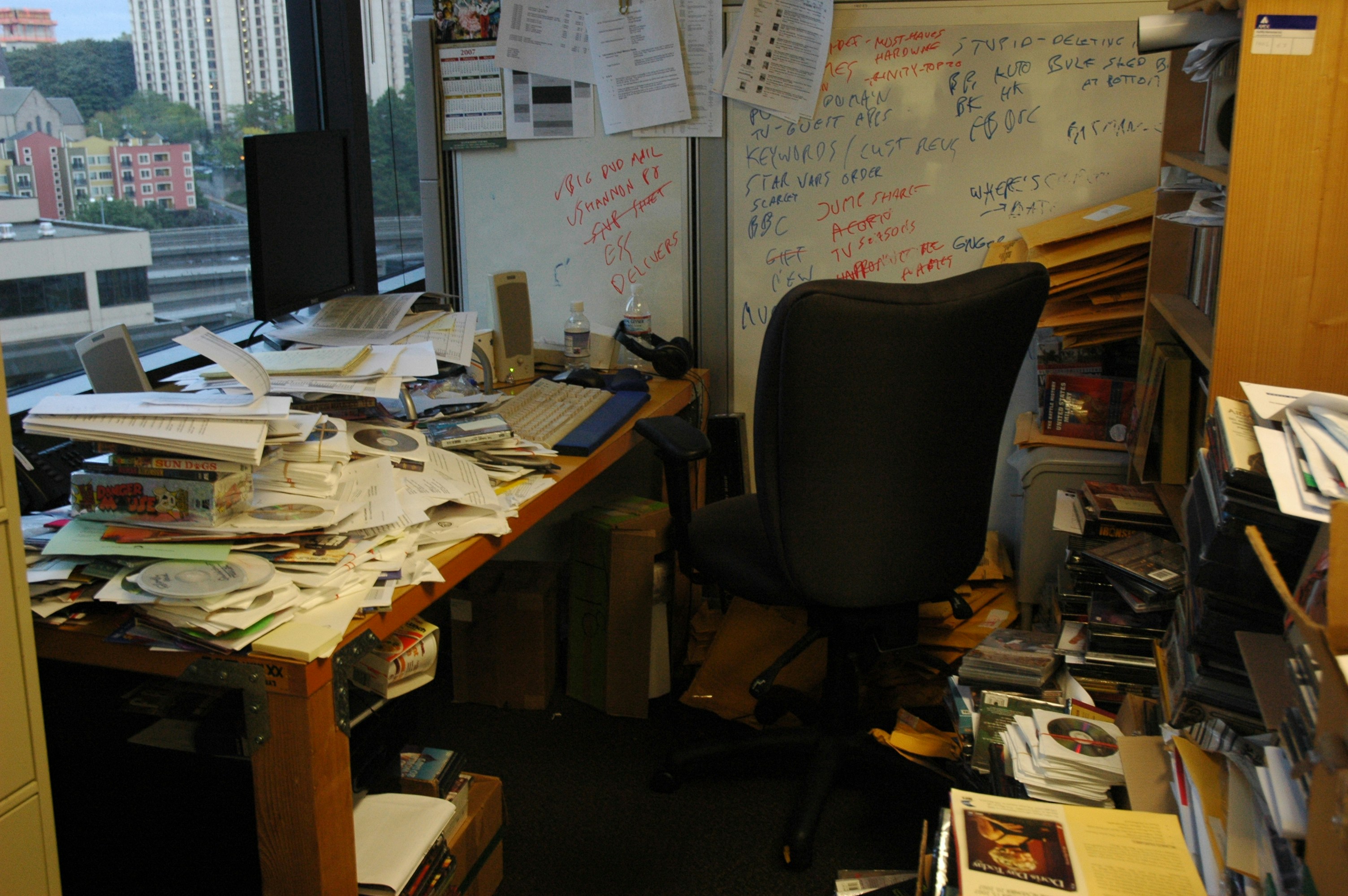
Spreadsheets work well in the beginning. They’re simple, flexible, and easy to set up.
But as operations grow, the same flexibility starts to create problems.
More jobs, more people, more moving parts. What once felt organised slowly becomes harder to manage.
Here’s where spreadsheets begin to fall short.
NO REAL-TIME VISIBILITY
Spreadsheets only reflect the last time they were updated.
As work moves throughout the day, the information quickly becomes outdated. Teams end up relying on messages, calls, or assumptions to understand what’s actually happening.
Over time, the sheet stops being a reliable source of truth.
TOO MANY VERSIONS
As more people get involved, different versions of the same spreadsheet start to appear.
Changes are made in different places, updates get missed, and no one is fully sure which version is correct.
This creates confusion and slows down decision-making.
LIMITED STRUCTURE
Spreadsheets don’t naturally reflect how operations actually run.
Jobs, stages, dependencies, and handovers are forced into rows and columns, even when the process is more complex.
As a result, teams spend more time interpreting the sheet than acting on it.
MANUAL UPDATES EVERYWHERE
Everything needs to be updated manually.
If someone forgets to update a status or misses a detail, the entire system becomes less accurate.
Small gaps in updates quickly turn into larger issues across the operation.
DISCONNECTED FROM THE TEAM
Spreadsheets don’t guide the team. They just sit there.
There’s no clear flow of work, no structured updates, and no consistent way for everyone to stay aligned.
Teams end up working around the spreadsheet instead of with it.
Spreadsheets aren’t the problem. They’re just not built for growing operations.
As complexity increases, what once worked starts to create friction.
At that point, the issue isn’t the tool itself. It’s the lack of structure behind how work is managed.